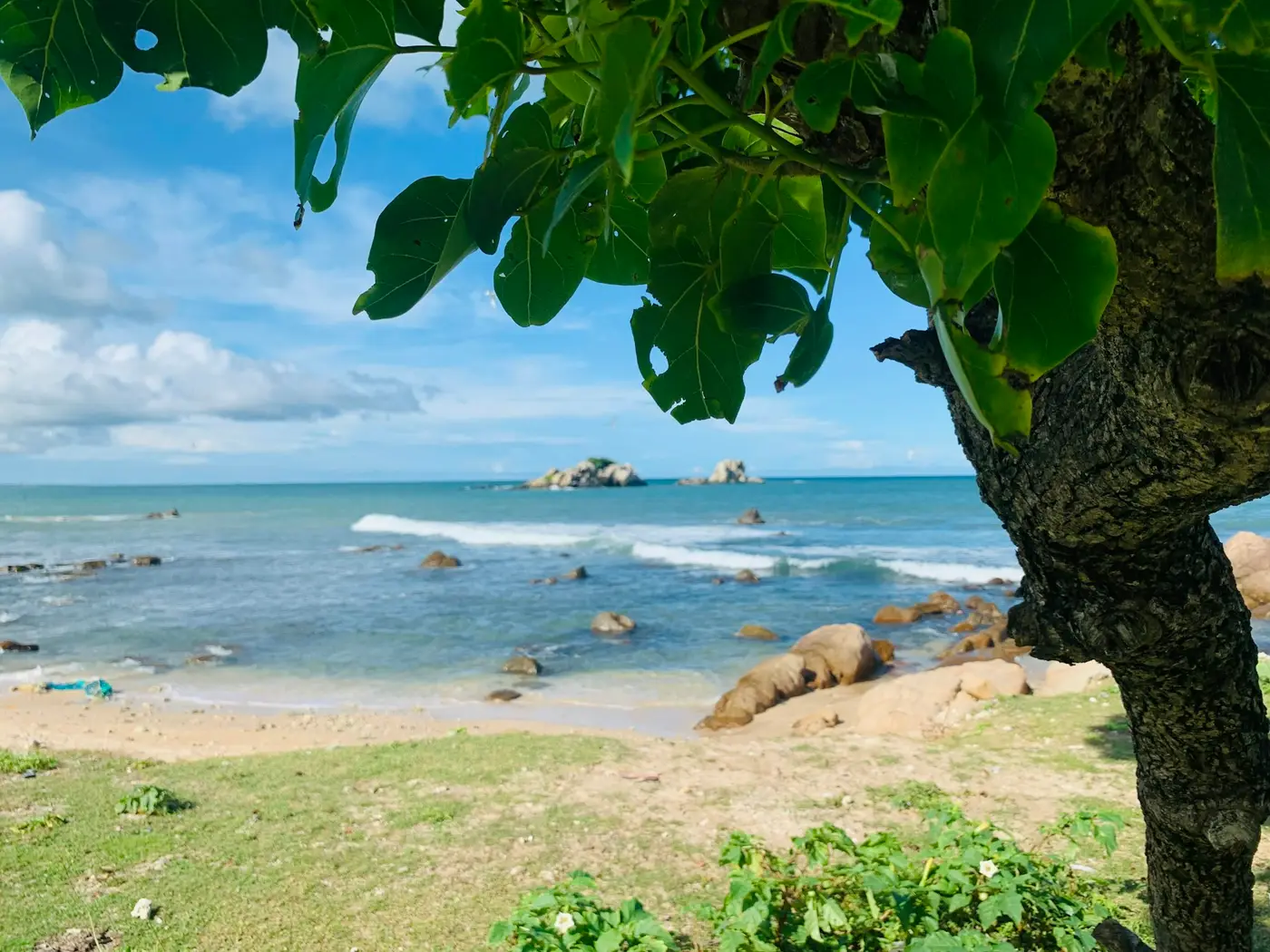
The best time to visit Sri Lanka is December to March for the west and south coasts, Colombo, the Cultural Triangle and the hill country, and May to September for the east coast. Because two monsoons hit opposite sides of the island at different times of year, there is always a dry, sunny region somewhere. The real question is not when to go, but where to go in the month you can travel.
This guide walks through the year month by month, explains how the monsoons work, and shows how we shape a tailor-made route around the weather, whichever part of the world you are flying in from.
What is the best month to visit Sri Lanka?
February is the single best all-round month. The south and west coasts are calm and sunny, the hill country is clear and cool in the mornings, the ancient cities are dry, and the whale season off Mirissa is in full swing. January and March come a close second. If you can only travel in the northern summer, July and August are excellent for the east coast and the elephant gathering at Minneriya, even though the south-west is wetter.
How do Sri Lanka's monsoons work?
Sri Lanka has four climate seasons, and knowing them makes planning far easier:
- North-east monsoon (roughly December to February): brings rain to the north and east coasts, including Trincomalee, Pasikudah and Jaffna. The south, west and hill country are at their driest.
- First inter-monsoon (March to April): hot, humid and mostly settled, with short afternoon thunderstorms island-wide.
- South-west monsoon (roughly May to September): brings rain and rougher seas to the west and south coasts and the western slopes of the hill country. The east coast and the north are dry and calm.
- Second inter-monsoon (October to November): the wettest and least predictable period, with heavy showers and storms possible anywhere on the island.
Exact start and end dates shift from year to year, and monsoon rain usually arrives as heavy bursts rather than all-day drizzle. Even in the "wet" months you will often get dry mornings and plenty of sunshine between showers.
Sri Lanka weather by month: key facts
| Month | Best regions | Wetter regions | Highlights |
|---|---|---|---|
| January | South and west coasts, hill country, Cultural Triangle | East and north coasts | Whale watching off Mirissa, clear tea-country views |
| February | South and west coasts, hill country, Cultural Triangle | Showers easing on the east coast | Peak beach weather, Adam's Peak pilgrimage season |
| March | South and west coasts, Cultural Triangle, hill country | Few; heat building | Whales, last weeks of high season |
| April | Most of the island, east coast opening up | Afternoon storms anywhere | Sinhala and Tamil New Year (13–14 April) |
| May | East coast, north, Cultural Triangle | South and west coasts | Vesak lantern festival, quieter roads |
| June | East coast, north, Cultural Triangle | South-west and western hill slopes | Calm seas at Trincomalee and Pasikudah |
| July | East coast, Cultural Triangle | South-west | Kandy Esala Perahera (July or August), Minneriya gathering begins |
| August | East coast, Cultural Triangle | South-west | Elephant gathering peaks, Arugam Bay surf |
| September | East coast | South-west | Shoulder-season prices |
| October | Patchy everywhere | Island-wide showers | Lowest prices, lush landscapes |
| November | South coast starting to dry | North and east; storms possible | Green season ends, whale season begins late in the month |
| December | South and west coasts, hill country | East and north coasts | Festive high season, Adam's Peak season opens |
What is Sri Lanka like month by month?
January
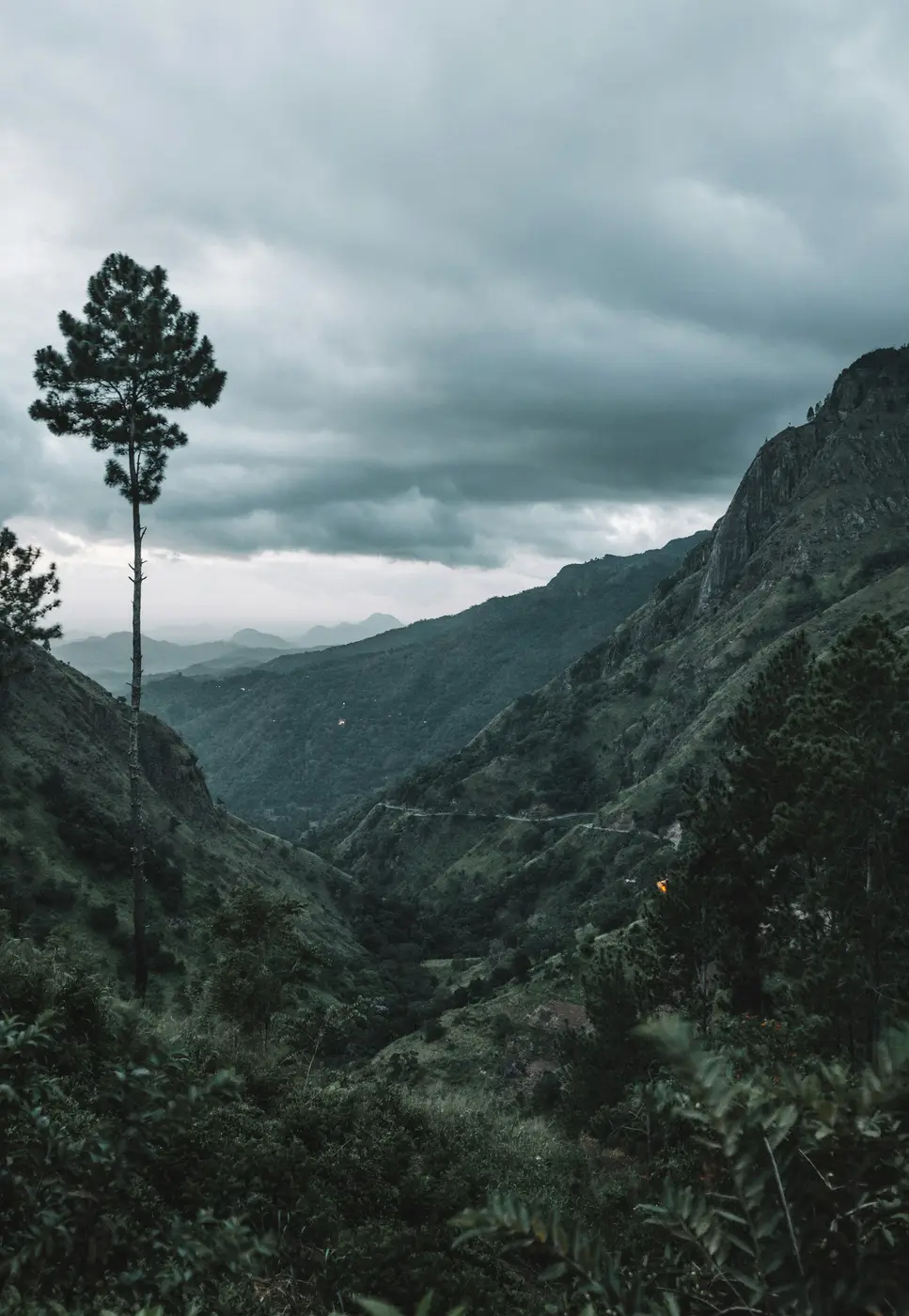
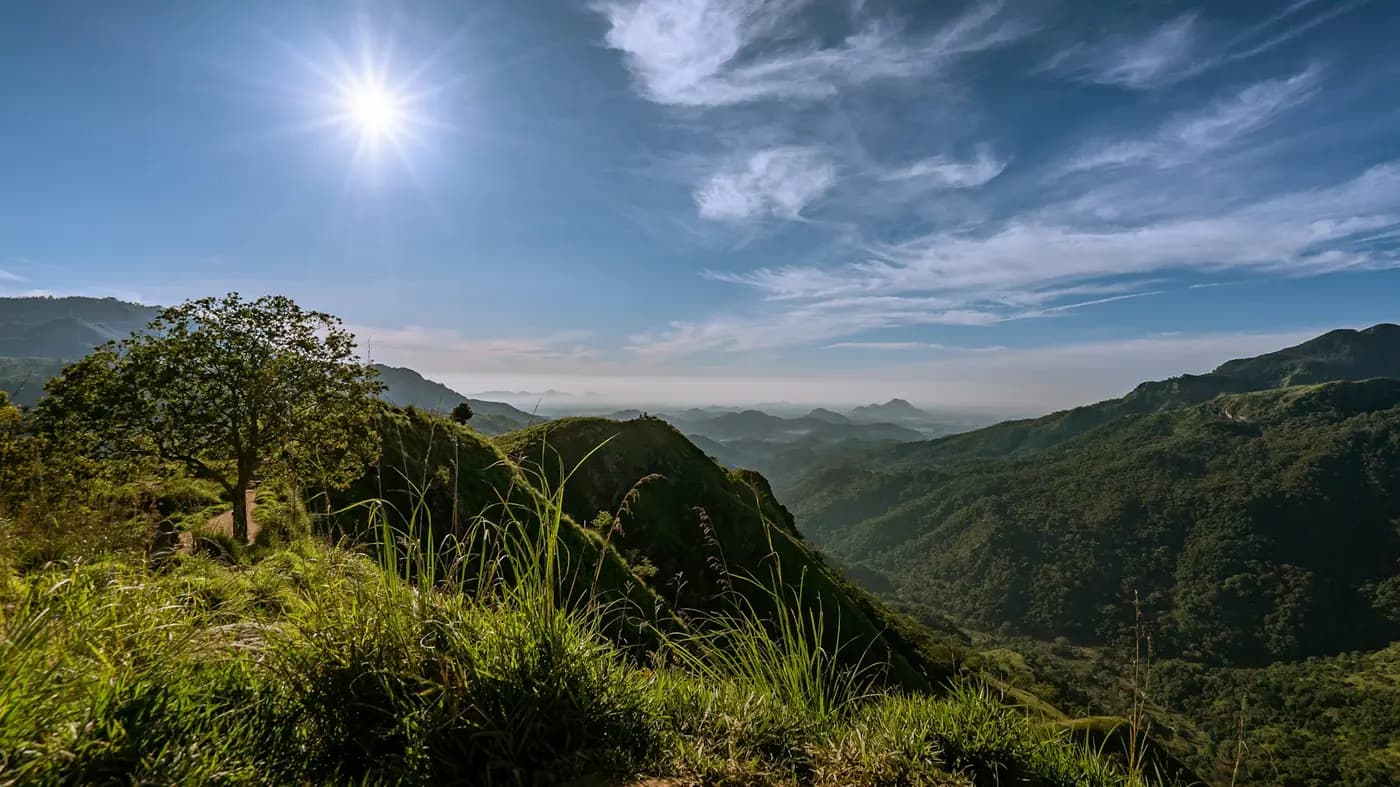
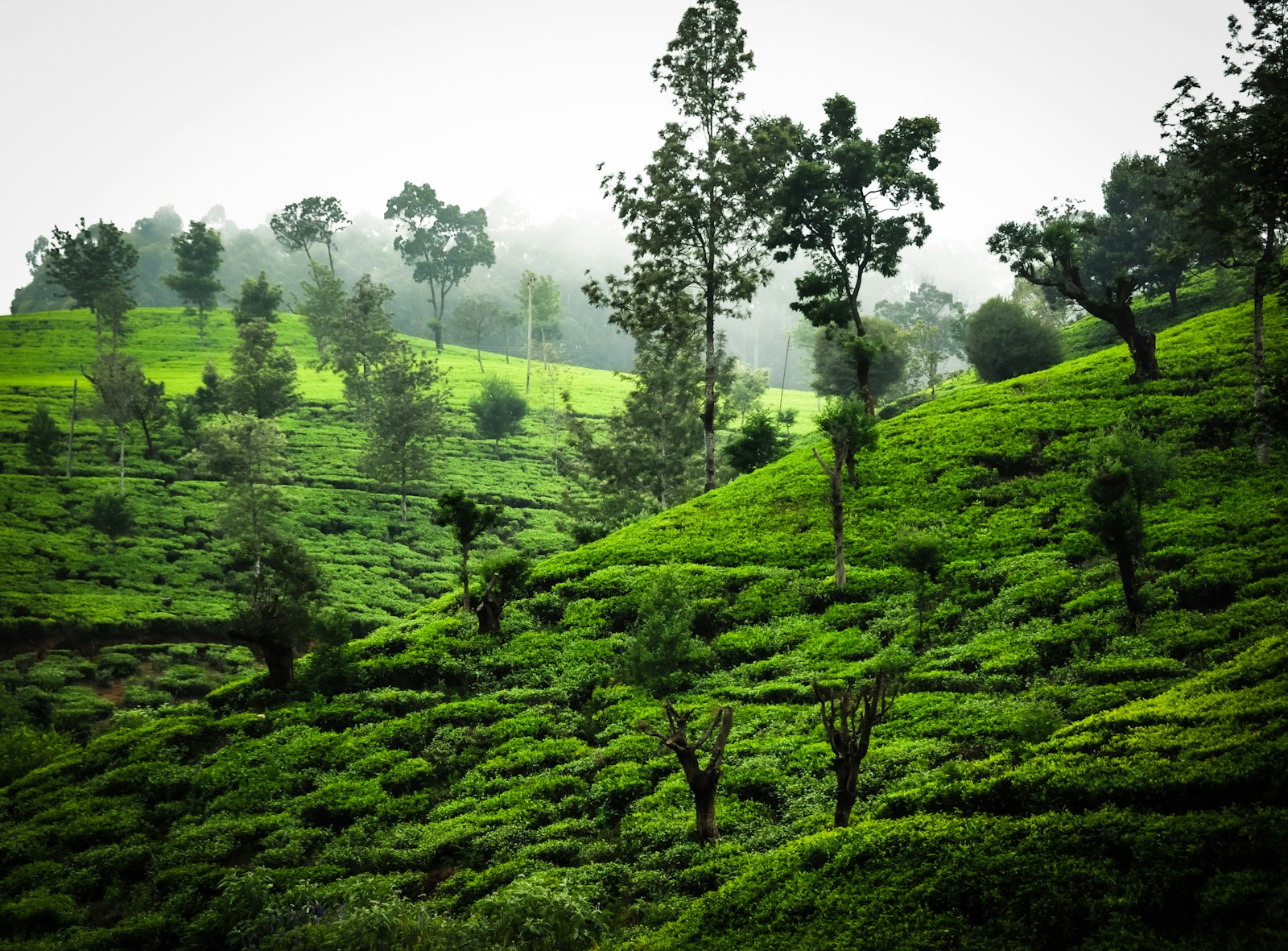
January is dry and sunny across the south and west. Galle, Mirissa, Tangalle and Bentota are at their best, and the sea is usually calm enough for swimming and snorkelling. The hill country has crisp, clear mornings, so this is a lovely month for tea estates, walks around Ella and the Horton Plains plateau. The north-east monsoon is fading, but the east coast can still be wet.
February
February is the classic month to visit. Rain is at its lowest across most of the island, the Cultural Triangle around Sigiriya is dry and green, and blue whales and sperm whales are regularly seen off the south coast. It is also the heart of the pilgrimage season for Adam's Peak (Sri Pada), which runs from the December full moon to the Vesak full moon in May. Book flights and the best hotels early.
March
March stays dry in the south and west, with temperatures climbing. It is a good month for safaris, as water sources shrink and animals gather. Late March brings the first afternoon showers of the inter-monsoon, usually short and refreshing.
April
April is hot and humid, with thunderstorms building in the afternoons. The Sinhala and Tamil New Year on 13–14 April is a joyful family festival; some businesses close for a few days and domestic travel gets busy. Towards the end of the month the east coast begins its dry season.
May and June
The south-west monsoon arrives, so the west and south coasts see heavier rain and rougher seas, and swimming is often unsafe. This is when we switch beach time to the east coast: Trincomalee, Nilaveli, Uppuveli and Pasikudah have calm, clear water. Vesak, the full moon in May, fills towns with lanterns and roadside food stalls. The Cultural Triangle stays largely dry, and prices drop on the south coast.
July and August
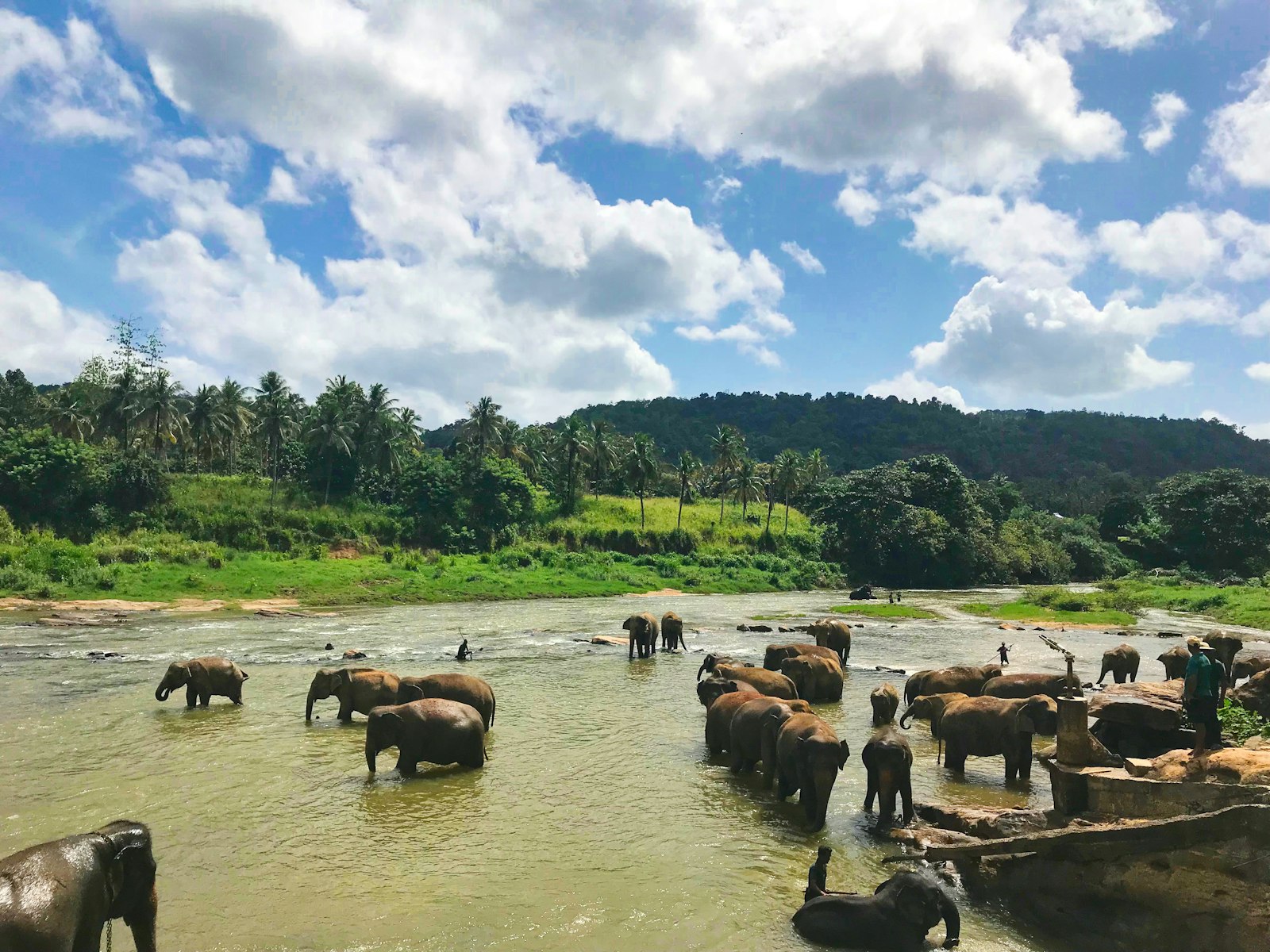
These are the best months for the east coast and for surf at Arugam Bay. The famous elephant "gathering" at Minneriya and Kaudulla, when large herds come to graze on the shrinking reservoir beds, builds through July and usually peaks in August and September. The Kandy Esala Perahera, one of Asia's great processions, takes place over ten nights in July or August, depending on the lunar calendar. The south-west is wetter, but showery days often still have long sunny spells.
September
September is a shoulder month: the east coast is still good, the gathering continues, and hotel rates are lower. Note that Yala National Park sometimes closes its busiest blocks for a few weeks around this time. In 2026, Blocks 1 and 2 were closed from 14 September to 15 October because of drought, so we plan safaris in Wilpattu, Udawalawe or Minneriya instead when that happens. Our wildlife safari experiences are built with these closures in mind.
October
October brings the second inter-monsoon, the wettest and least predictable time of year. Showers can fall anywhere, often in the afternoon or evening. In return, you get the lowest prices, very few crowds and a vividly green landscape. It suits flexible travellers who are happy to swap a beach day for a cookery class or a tea factory visit.
November
November is a transition month. The inter-monsoon rains linger and the north-east monsoon starts to reach the east coast, while the south coast gradually dries out towards the end of the month. Storms are possible: Cyclone Ditwah struck in late November 2025 and damaged parts of the hill-country railway. Whale-watching boats from Mirissa usually restart once the sea settles.
December
December is high season on the south and west coasts and in the hill country. The festive weeks are busy and priced accordingly, so book well ahead. Adam's Peak opens for the pilgrimage season with the December full moon, and night climbs to watch the sunrise begin.
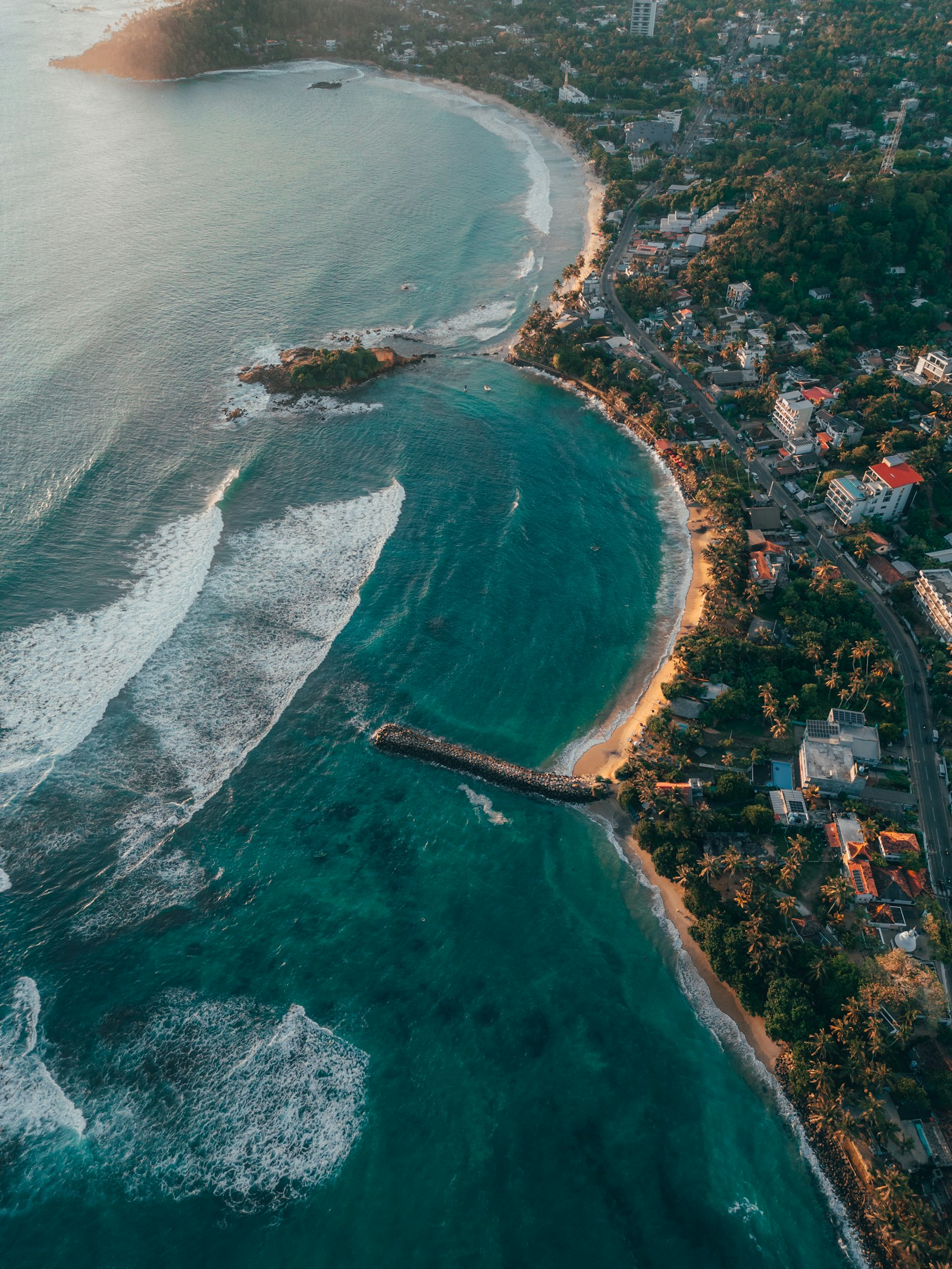
When is the best time for beaches, whales and wildlife?
- South and west coast beaches (Mirissa, Galle, Bentota, Tangalle): December to April.
- East coast beaches (Trincomalee, Pasikudah, Arugam Bay): May to September.
- Whale watching: off Mirissa, roughly December to April; off Trincomalee, roughly March to August.
- Leopards in Yala: February to June is reliable, as the dry season concentrates animals around waterholes. Check for seasonal block closures in September and October.
- Elephants at Minneriya and Kaudulla: July to October.
- Birdwatching: November to April, when migrant birds arrive. See our birdwatching experiences.
- Diving and snorkelling: the south and west from December to April, the east from May to September. Our diving and snorkelling page has more.
When is Sri Lanka cheapest to visit?
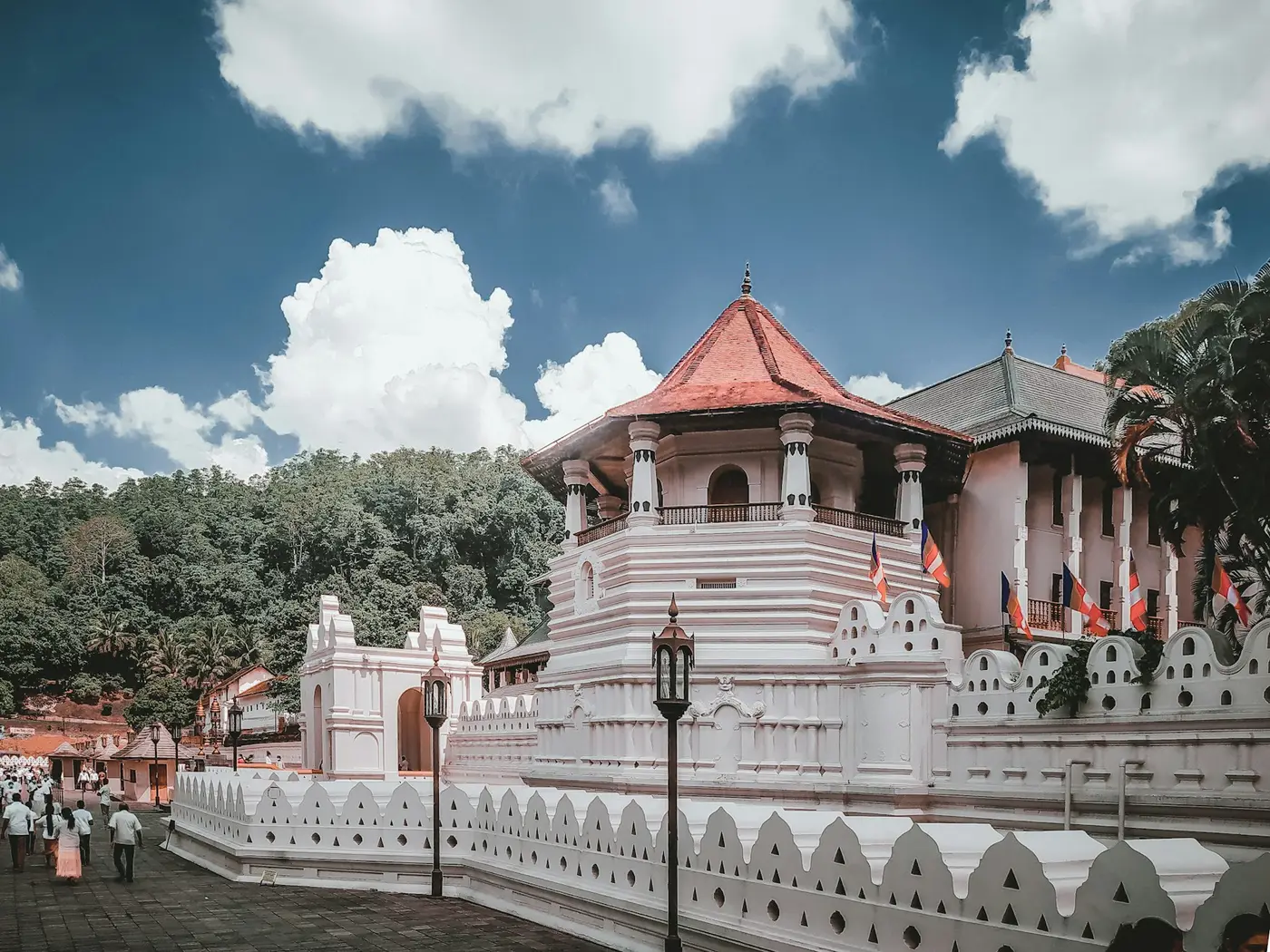
May, June, September and October are usually the best-value months. Hotel rates on the south coast can fall well below their December to March levels, and you will share famous sites like Sigiriya and the Temple of the Tooth with far fewer people. The trade-off is less predictable weather on the south-west coast, which is why a route that leans east and inland works so well at this time of year.
Do I need a visa for Sri Lanka in 2026?
Most visitors need an Electronic Travel Authorisation (ETA) before they fly. Since 25 May 2026, citizens of 40 countries can get a tourist ETA free of charge, valid for 30 days with double entry. It is free, but it is not automatic: you still need to apply online in advance. Other nationalities pay a fee. Always use the official government site (eta.gov.lk), because some third-party websites charge a "processing fee" for submitting the same form.
How do we plan a trip around the weather?
Because the island is compact, a well-planned route can follow the sunshine. In the northern winter we pair the Cultural Triangle and hill country with the south coast, as in our Classic Sri Lanka Highlights holiday. In the northern summer we swap the south coast for the east, as in the East Coast Escape to Trincomalee and Pasikudah. For the whale season, the Whales, Reefs and Rainforest route is timed for calm southern seas.
Every Elion journey is tailor-made, so tell us when you can travel and what you love, and we will build the route around the best weather for those dates. You can start on our booking page.
Frequently asked questions
What is the best month to visit Sri Lanka?
February is the best all-round month to visit Sri Lanka. The south and west coasts, the hill country and the Cultural Triangle are all dry, and whale watching off Mirissa is at its peak. January and March are almost as good.
Which months should I avoid in Sri Lanka?
October and November are the most unpredictable months, with showers possible island-wide. They are not a write-off, though: prices are low, the countryside is lush, and many days still have long dry spells.
Is Sri Lanka good to visit in July and August?
Yes, July and August are a very good time to visit if you base your beach days on the east coast. Trincomalee, Pasikudah and Arugam Bay are dry and calm, and the elephant gathering at Minneriya and the Kandy Esala Perahera both fall in this period.
When is whale-watching season in Sri Lanka?
Whale watching off Mirissa runs roughly from December to April, with the calmest seas from January to March. On the east coast, Trincomalee has a second season from about March to August.
Does it rain all day during the monsoon in Sri Lanka?
No, monsoon rain usually falls in heavy bursts rather than all day. Many monsoon days have sunny mornings, and the other side of the island is usually dry at the same time.
Is the Sri Lanka visa free in 2026?
The tourist ETA is free for citizens of 40 countries from 25 May 2026, for stays of up to 30 days. You must still apply online before you travel, and other nationalities pay a fee, so check the official ETA site for your passport.